43 bad fats on food labels
How to Understand and Use the Nutrition Facts Label | FDA - U.S. Food ... Saturated fat, sodium, and added sugars are nutrients listed on the label that may be associated with adverse health effects - and Americans generally consume too much of them, according to the... Food Labels: 5 Harmful Ingredients To Avoid | ThePostGame.com Here are some of the worst ingredients that are added to many foods that you should look out for and avoid: Partially Hydrogenated Oil Partially hydrogenated oil is another name for a trans fat....
Good Fats vs. Bad Fats: Everything You Need to Know - Healthline Research has consistently shown that eating foods that contain monounsaturated fat can improve your blood cholesterol level and decrease your risk for cardiovascular disease. These foods include:...

Bad fats on food labels
Dietary Fats: What's Good and What's Bad - familydoctor.org All food companies have to list trans fats on nutrition fact labels. However, foods can have up to .5 grams of trans fat per serving and still show 0 grams. Check the ingredients list and look for the words "hydrogenated oil." You should limit saturated fats and avoid trans fats. They often are found in fast food, fried foods, and snack foods. Food Labels | CDC - Centers for Disease Control and Prevention All the numbers on this label are for a 2/3-cup serving. This package has 8 servings. If you eat the whole thing, you are eating 8 times the amount of calories, carbs, fat, etc., shown on the label. Total Carbohydrate shows you types of carbs in the food, including sugar and fiber. Choose foods with more fiber, vitamins, and minerals. Fats | Nutrition.gov Saturated Fat HHS, Food and Drug Administration, Center for Food Safety and Applied Nutrition Read about saturated fat - what it is, where it is found, and how you can use the Nutrition Facts Label for reducing saturated fat in your diet. The Skinny on Fat HHS, National Institutes of Health Fat is an essential nutrient for our bodies.
Bad fats on food labels. 13 Misleading Food Label Claims and How Not to Be Tricked - Sentient Media 1. Label Says "Sugar-Free". The Food and Drug Administration (FDA) provides guidelines for a variety of common food labels, including sugar-free. While the term suggests that products labeled this way would be completely free of sugar, they can actually contain up to 0.5 grams of sugar in a single serving size. How to Read a Food Label & How to Find Unhealthy Hidden Ingredients These types of fats help children absorb vitamins and compliment cognitive skills. However, too much of any fat can be burdensome and lead to weight gain. Now when reading a food label, you need to make sure that the product does not have too much saturated fat; and that it does not have any trans fats. Trans fats should be avoided. Trans Fat What Are the Fats Not Listed on Nutrition Labels? - SFGATE Vegetable oils, especially canola, olive and peanut oils, almonds, hazelnuts, pecans, pumpkin seeds and sesame seeds are all good sources of monounsaturated fats. Polyunsaturated Fats... Food Labels: Fat & Cholesterol | Home & Garden Information Center Eating too much total fat, saturated fat, trans fat or cholesterol may increase your risk of certain chronic diseases, like heart disease, high blood pressure and some cancers. Facts on Food Labels Food labels contain clues to a food's fat and cholesterol content, including the amount per serving.
Often no difference between good and bad fats. On some food labels, there is also just an indication of how much fat is contained in a product but there is no differentiation between good and bad fats. Even though all kinds of fats contain a similar amount of calories, there are still huge differences regarding their health effects. ... 9 Sneaky Nutrition Claims Not to Fall for at the Grocery Store These fillers may include added sugar, salt and hydrogenated oils (trans fats), which aren't great for your health. In this case, you're better off enjoying the real stuff and reaping the heart-healthy fats and protein from natural peanut butter. 9. 'Fruit-Flavored' Another misleading label is "fruit-flavored," Shah says. Understanding Food Nutrition Labels | American Heart Association When the Nutrition Facts label says a food contains "0 g" of trans fat, but includes "partially hydrogenated oil" in the ingredient list, it means the food contains some trans fat, but less than 0.5 grams per serving. So, if you eat more than one serving, you could end up eating too much trans fat. Food Labeling: Beware the "Health" Halo - Food Network Trans-fat free is defined as a food that contains less than 0.5 grams of trans fat per serving. But be aware that trace amounts of trans fat can be hidden in these foods.
5 Misleading Food Label Claims - Consumer Reports 1. Multigrain. These foods have more than one type of grain, but those grains could be refined, meaning their nutritious bran and germ have been removed. Similarly, "made with whole grains" might ... All About Bad Fats - Precision Nutrition At PN, we talk a lot about "good fats", such as omega-3 fatty acids from sources like fish and walnuts. But if there are "good fats", then by definition there must be "bad fats". The good news is that because most bad fats are created from industrial food processing, it's difficult to get excessive amounts of bad fat from whole, unprocessed foods. Top 10 High Fat Foods to Avoid - myfooddata Read ingredient labels and avoid any trans or partially hydrogenated fats or oils. High-fat foods to avoid include fast foods, whipped cream, fatty meats, fried foods, fatty snacks, processed meats, desserts, fatty salad dressings, animal fats, and trans-fats. ( 1) The daily value (DV) for fat is 78 grams per day. ( 2) 8 misleading food marketing labels | AGDAILY Because only sodium and potassium nitrate and nitrite are considered to be curing agents, processed meats that are cured using naturally occurring nitrates and nitrites derived from sea salt, celery or beets or some other vegetable or fruit naturally high in nitrate are required to be labeled as "uncured."
Infographic: Fats - Good, Bad and Ugly – Papa Steve's No Junk ...
7 Hidden Messages In Packaged Food Labels — Eat This Not That As for trans fat, while some trans fats are created naturally in some foods (but in very small amounts), most items with partially hydrogenated trans fat can increase blood cholesterol, LDL cholesterol, and triglyceride levels. In short, it could increase your risk of cardiovascular disease. In short, be wary of items with a high trans-fat count.

How to read food labels | Multimedia Encyclopedia | Health ...
Good Fats, Bad Fats :: Diabetes Education Online "Bad" fats increase your risk for coronary heart disease, and need to be limited in your diet: Saturated fats Hydrogenated fats Trans fats Saturated fats, which usually come from animal sources, are naturally solid at room temperature. Examples are lard, butter, milk fat, meat, chicken and pork skin, ice cream and cheese.
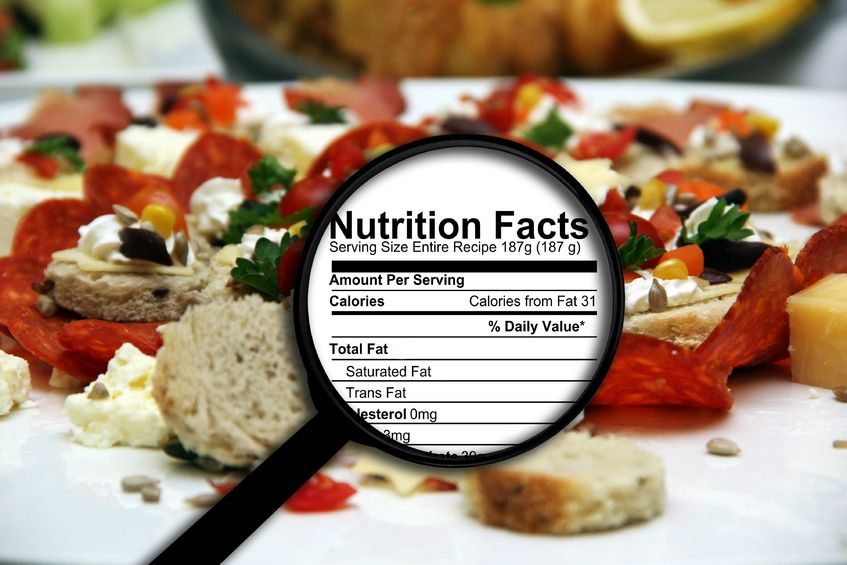
What's So Bad About Trans Fats?? | Gympik Blog
Fats | Nutrition.gov Saturated Fat HHS, Food and Drug Administration, Center for Food Safety and Applied Nutrition Read about saturated fat - what it is, where it is found, and how you can use the Nutrition Facts Label for reducing saturated fat in your diet. The Skinny on Fat HHS, National Institutes of Health Fat is an essential nutrient for our bodies.

Healthy Fats vs. Unhealthy Fats: What You Need to Know
Food Labels | CDC - Centers for Disease Control and Prevention All the numbers on this label are for a 2/3-cup serving. This package has 8 servings. If you eat the whole thing, you are eating 8 times the amount of calories, carbs, fat, etc., shown on the label. Total Carbohydrate shows you types of carbs in the food, including sugar and fiber. Choose foods with more fiber, vitamins, and minerals.

Saturated Fat & Trans Fat: Limit Them For Healthy Cholesterol ...
Dietary Fats: What's Good and What's Bad - familydoctor.org All food companies have to list trans fats on nutrition fact labels. However, foods can have up to .5 grams of trans fat per serving and still show 0 grams. Check the ingredients list and look for the words "hydrogenated oil." You should limit saturated fats and avoid trans fats. They often are found in fast food, fried foods, and snack foods.
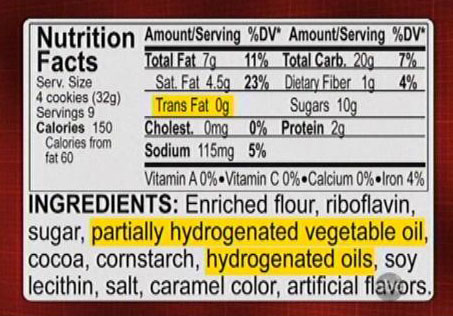
Easy Guide to Understanding Food Labels When You Have High ...

March 5th,2015

Inside Food Products: Understanding the Food Labels ...

Food Labels 101 - Penn Medicine

Pin on Health
/steak-56d0d9673df78cfb37b94242.jpg)
3 Types of Foods High in Saturated Fat

Myth Busters: Trans/Saturated Fats Handouts
How Do I Understand the “Nutrition Facts” Label?

How To Read Food and Beverage Labels | National Institute on ...

What Are Trans Fats and Why Are They Bad For You? - BistroMD
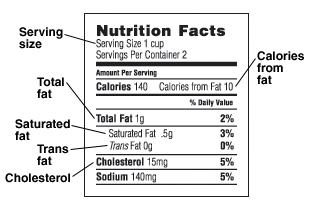
Understanding Fat and Cholesterol | Saint Luke's Health System

Good Fat vs. Bad Fat
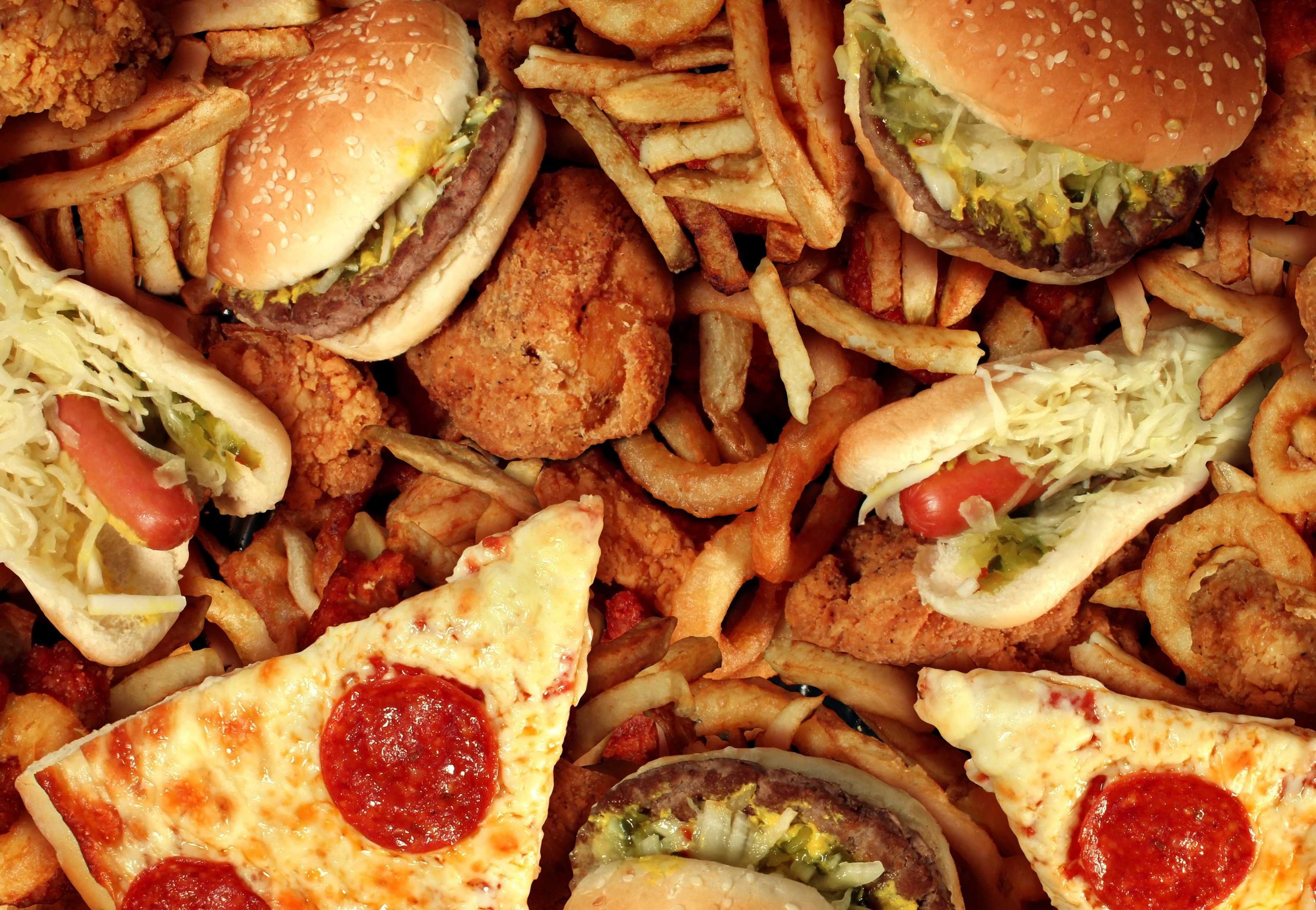
Trans Fats - What are Trans Fats, Trans Fat Dangers, Foods ...

Food Label Detective: How to Spot the Good Fats - The Dr. Oz Show
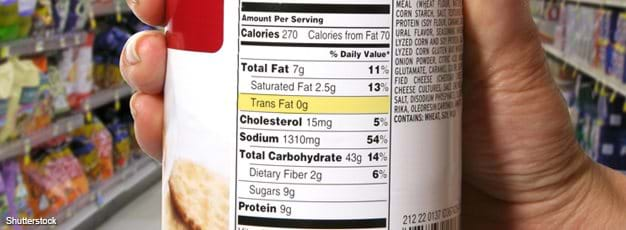
USDA ERS - Blood Levels of Trans Fats Among American Adults ...

First Look: The FDA's Nutrition Label Gets A Makeover : The ...
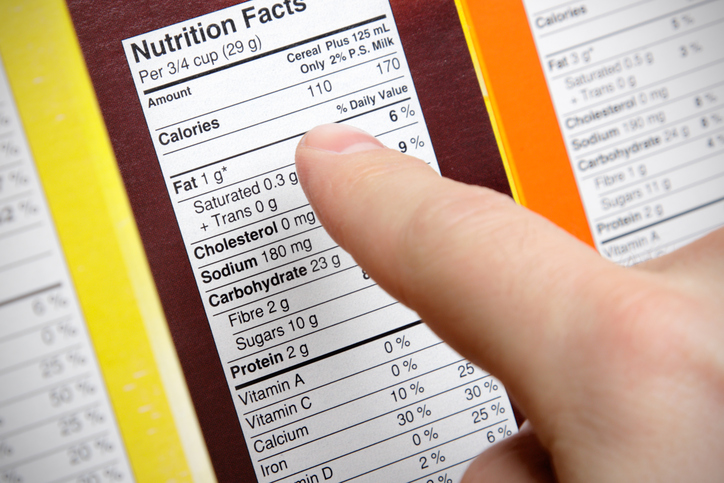
Good Fats vs. Bad Fats | Liposuction in Los Angeles | Weight Loss

145 Saturated Fat Illustrations & Clip Art - iStock

Are fats so bad? - Harvard Health

Understanding Food Labels | The Nutrition Source | Harvard ...
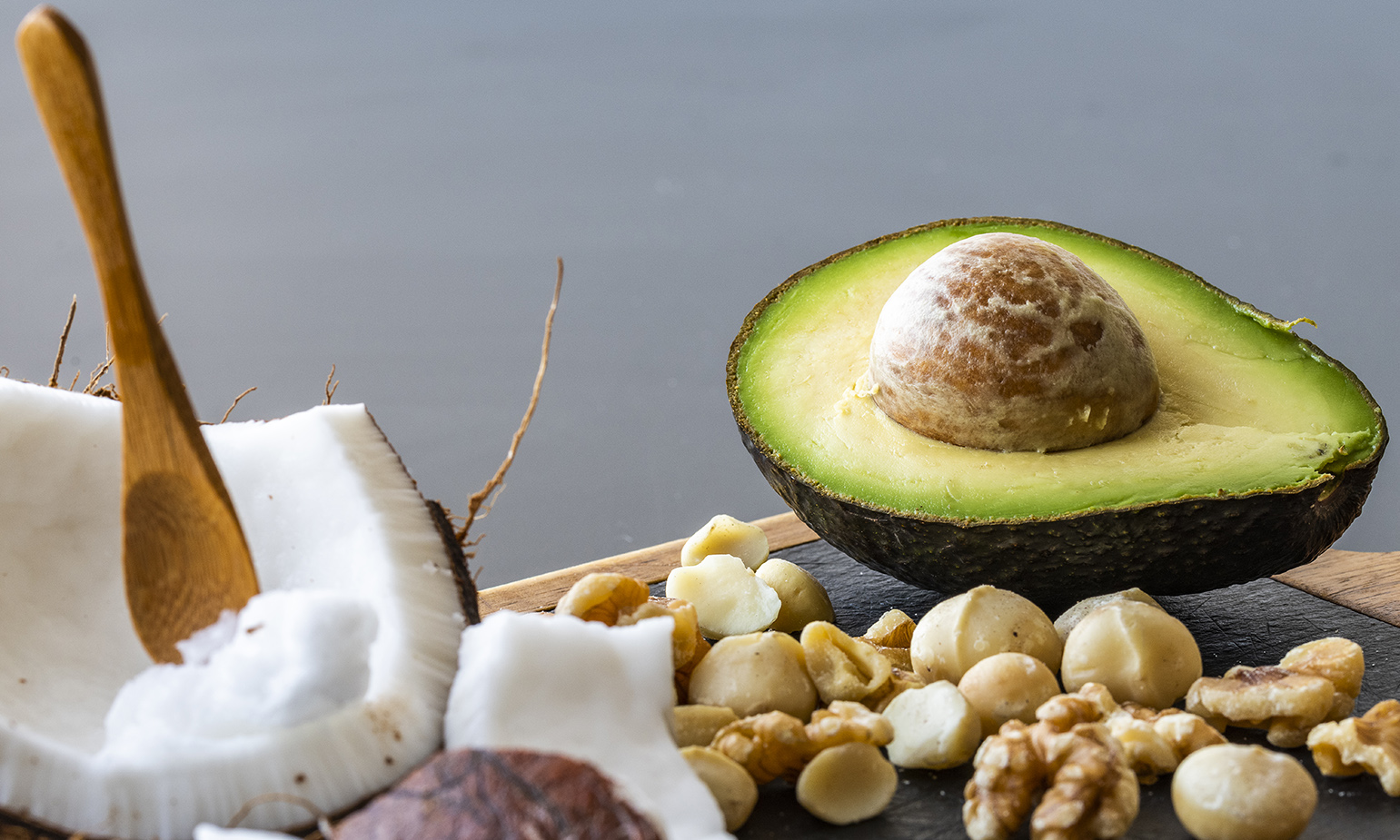
Choosing Healthy Fats - HelpGuide.org

Is Saturated Fat Bad for You: Benefits, Risks, and Verdict
Calorie Labels Can Be 20% Inaccurate. How to Keep up Your ...

Good Fats vs. Bad Fats for a Healthy Heart | U.S. News
How to read food labels
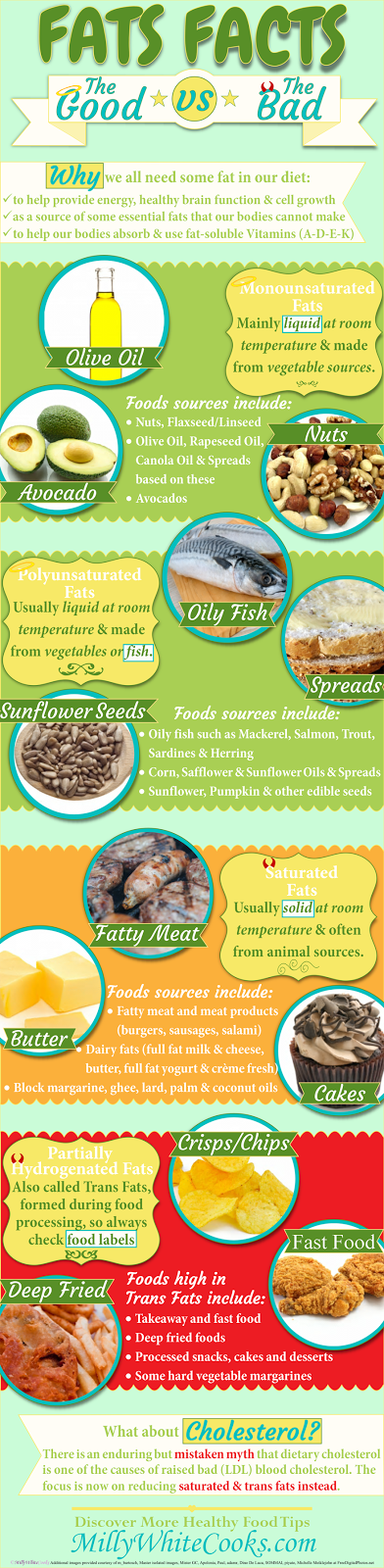
Good Fats vs. Bad Fats - LPC Survival

Reading Food Labels | ADA
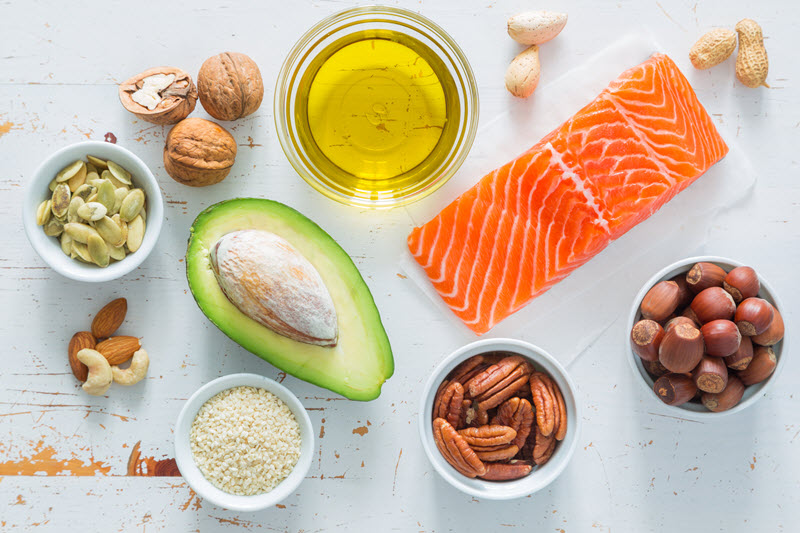
The Skinny on Fats | American Heart Association
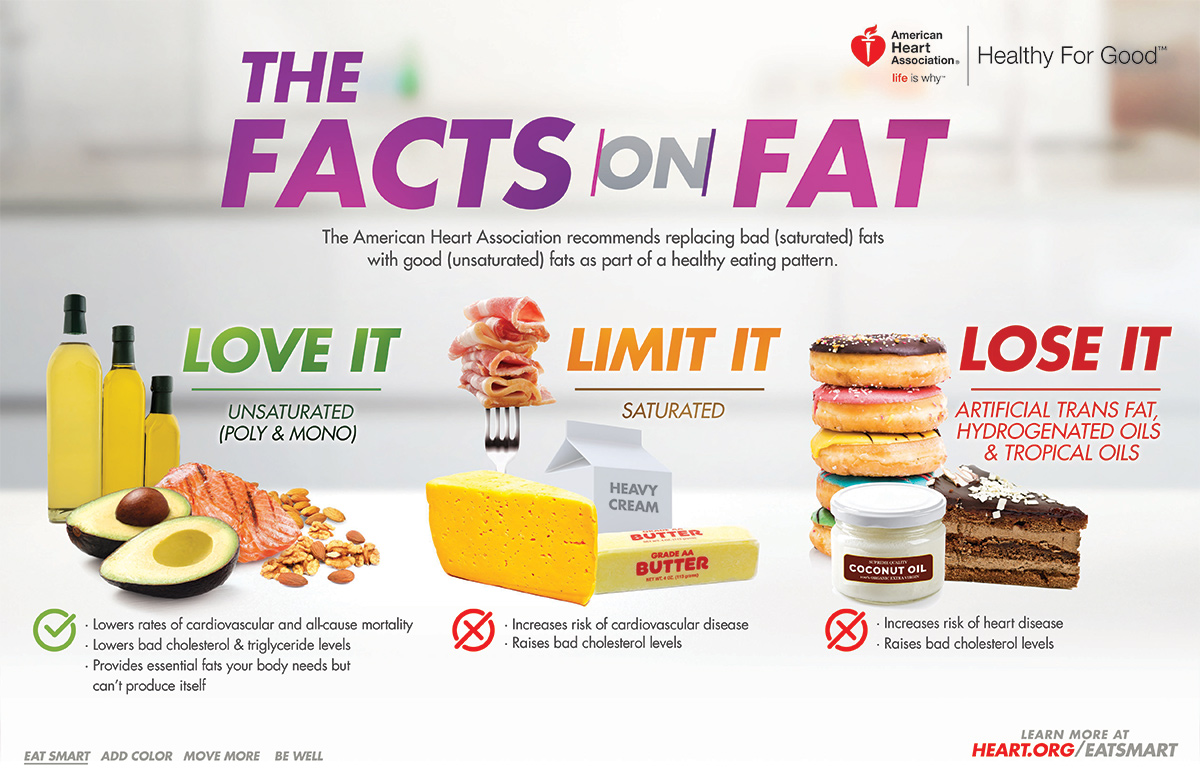
Saturated Fats, Trans Fats and your Heart - UF/IFAS Extension ...

Low fat foods: List, benefits, and meal plan
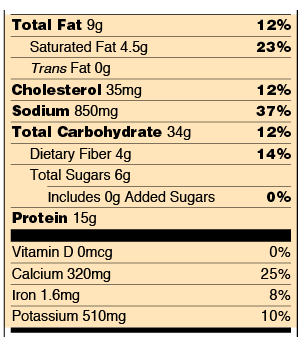
How to Understand and Use the Nutrition Facts Label | FDA
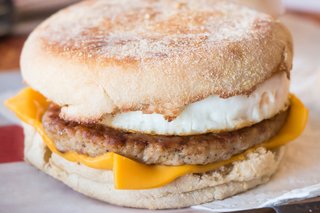
How to eat less saturated fat - NHS - NHS
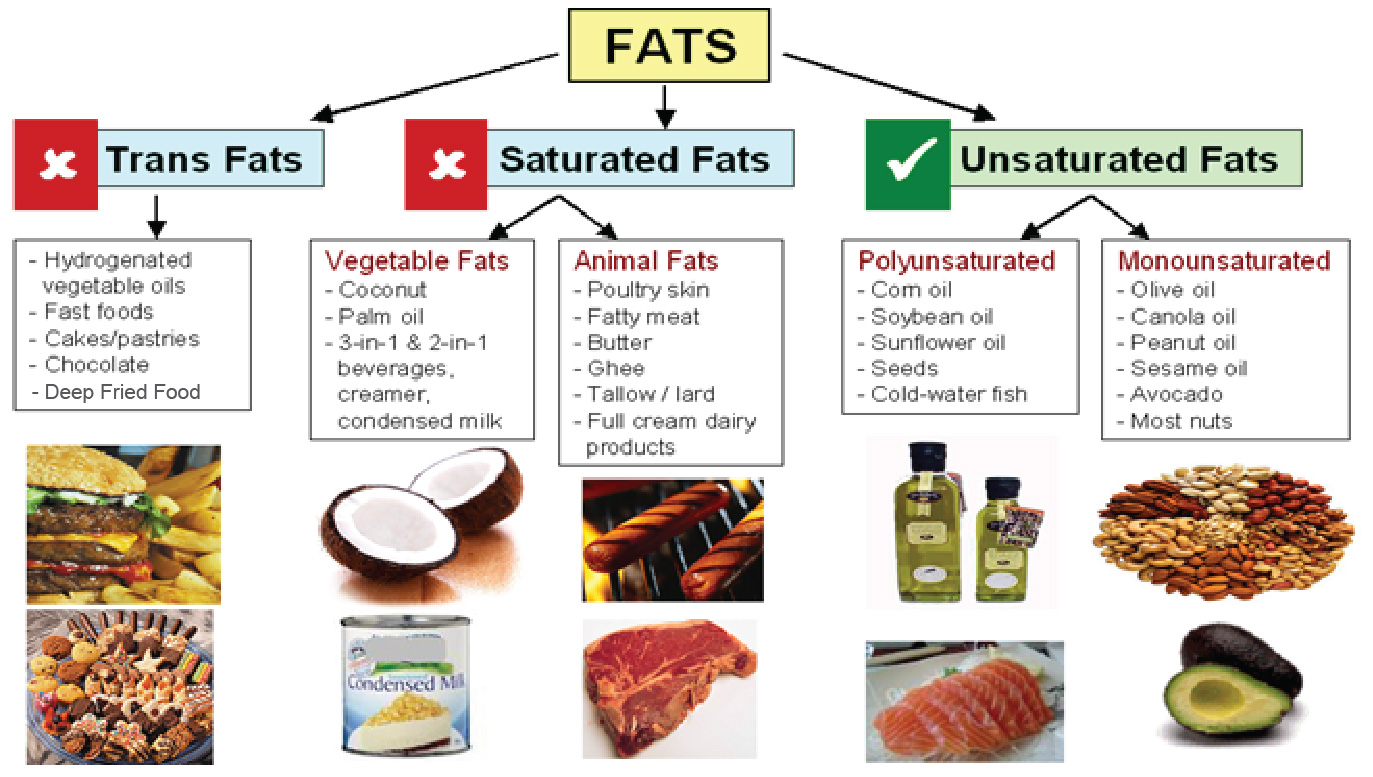
All About Fat - NHG Pharmacy

First Look: The FDA's Nutrition Label Gets A Makeover : The ...
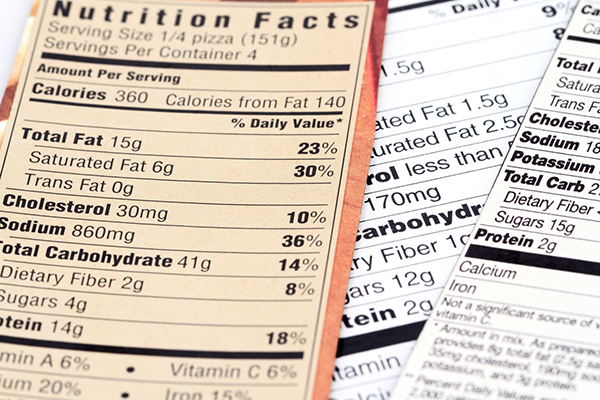
What Are Trans Fats and Why Are They So Bad? | The Beachbody Blog
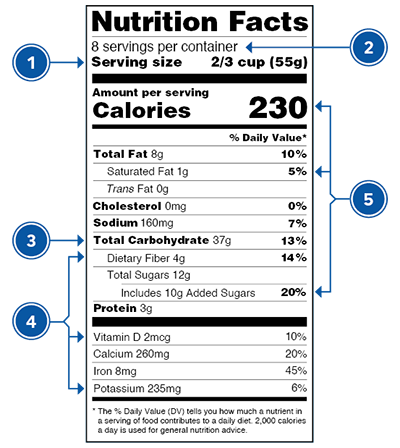
Food Labels | CDC

Does Eating Fats Make Me Fat? | Selwyn Uy Blog

Decoding Nutrition Fact Labels: Fats | by Karena Yan | Show ...
Post a Comment for "43 bad fats on food labels"