43 reading food labels australia
Labelling poster - how to read food labels This interactive resource explains the food labelling requirements set out in the Food Standards Code and what that information means. Click on the numbers to find out more about food labelling. A useful poster is also available. You can download a copy here (PDF 372KB), or for a printed A2 version please email information@foodstandards.gov.au. Food labelling | Health and wellbeing | Queensland Government Food labels help consumers make informed choices about what they eat. Food labels help to protect public health and safety by displaying important information such as expiry dates, ingredients, allergens, instructions for storage and use, and warning statements. Food labelling standards are set out in the Australia New Zealand Food Standards ...
What's on a food label | NSW Food Authority A food label must contain accurate weights and measures information for the quantity of food. The Australian Government National Measurement Institute regulates this area. Nutrition information The nutrition information panel (NIP) lists key nutrients so consumers can keep track of what they're eating and serving sizes, and decide between products.

Reading food labels australia
Reading food labels - Food Allergy Education How to read food labels that meet the new PEAL law Under the new PEAL law, common food allergens are to be listed with the plain English name alongside the actual ingredient name. This is shown in the label example below. In the statement of ingredients, declarations must: Be in bold font. Have bold font contrasting distinctly with other text. PDF Curriculum kit - food labelling - South Australia Considers the Use by date and the Best before date to decide if the food product is fit for human consumption. Healthy take-away! Create a Use by date Alert Chart for the home refrigerator. Examine the items in the refrigerator and record on the chart the Label reading - Baker Label reading This fact sheet gives you guidance on understanding how to read nutrition information panels to help you identify healthy choices. This fact sheet will allow you to identify processed and packaged foods that are: lower in energy (kJ) lower in saturated and trans fat lower in sugar lower in sodium (salt) higher in dietary fibre.
Reading food labels australia. Food labels - Better Health Channel Under labelling laws introduced in Australia in 2003, virtually all manufactured foods must carry an NIP. There are exceptions to the labelling requirements, such as: very small packages and foods like herbs, spices, salt, tea and coffee single ingredient foods (such as fresh fruit and vegetables, water and vinegar) food sold at fundraising events Understanding Food Labels | WW Australia As a general rule try to choose foods that contain less than 10g of fat per 100g, or 2g per 100g for milk, yoghurt and ice-cream. Saturated fat Saturated fats are found predominantly in fatty cuts of meat, chicken skin, full-fat dairy products, baked goods, deep-fried takeaways and tropical oils. PDF Reading food labels - Queensland Health Reading food labels . Understanding how to read food labels can help you make healthy food choices. Food Standards Australia and New Zealand (FSANZ) regulates food labelling in Australia. Most packaged food and drink must have a nutrition information panel. Exceptions include those in very small packages, some baked products and take-away food. 100g. Reading food labels - Heart Foundation Avoid foods with 'partially hydrogenated' vegetable oil or vegetable fat, animal fat, copha, palm oil and coconut oil listed in the ingredients list. For example, it is advisable to limit intake of foods like bakery goods such as sausage rolls, meat pies, cakes and biscuits. Learn more about adding healthy fats to your diet. Sodium (salt)
LiveLighter - Understanding food labels 154mg. 513mg. Ingredients: Cereals (76%) ( Wheat , oatbran, barley), psyllium husk (11%), sugar, rice malt extract, honey, salt, vitamins (niacin, thiamine, folate) Whole foods, foods without a label and foods with only a few ingredients are usually cheaper and better for our health. This includes fruits and vegetables, nuts and seeds, legumes ... Food labels: How to read and decipher the fine print - ABC ... The labelling claimed it was "99 per cent fruit and veg" but the Australian Competition and Consumer Commission said the 67.7 grams of sugar (per 100 grams of food) meant it was "not a nutritious ... Labelling - Food Standards The Food Standards Code includes the general labelling and information requirements (Chapter 1 of the Code) that are relevant to all foods, and sets out which requirements apply in different situations (for example food for retail sale, food for catering purposes, or an intra-company transfer). Food labelling - healthywa.wa.gov.au For more information on food labelling requirements in Australia, read Part 1.2 of the Australia New Zealand Food Standards Code (external site) (the Code). Food labelling requirements. The following information outlines general food labelling requirements contained in the Code. Unless an exemption applies, the following information must be ...
How to read food labels | New Idea Magazine Reading food labels helps ensure you are eating the recommended amount of nutrients and fibre. It's easy to be mislead due to labelling tricks as not all brown bread contain enough fibre and some manufactures use colouring to make foods look more appealing. PDF how to understand food labels - Eat For Health Generally choose foods with less than 10g per 100g. For milk, yogurt and icecream, choose less than 2g per 100g. For cheese, choose less than 15g per 100g. Saturated Fat Aim for the lowest, per 100g. Less than 3g per 100g is best. Sodium (Salt) Choose lower sodium options among similar foods. Food with less than 400mg per How to understand food labels - Eat For Health The Nutrition Information Panel on a food label offers the simplest and easiest way to choose foods with less saturated fat, salt (sodium), added sugars and kilojoules, and more fibre. It can also be used to decide how large one serve of a food group choice or discretionary food would be and whether it's worth the kilojoules. Food labels & nutritional information | Raising Children ... The nutritional information on food labels helps you work out how healthy a food is. But keep in mind that some of the healthiest foods can be unlabelled - fresh fruit and vegetables, wholegrain breads, nuts, lentils, beans, fresh lean meats and fish. Ingredients on food labels. In Australia, food manufacturers must be truthful on their food ...
.: Cooking verbs
Reading food labels - tucker talk tips - Better Health Channel Labels on packaged food can give you useful information about the nutrition, ingredients, storage and weight of the food. Ingredients are listed in order from those that are present in the greatest amount to those present in the smallest amount. If fat or sugars are listed first or second in the ingredients list, the food is high in fat or sugar.

Geography Worksheets Countries, Continents, Maps • EasyTeaching.net
How to read food labels - healthdirect In Australia, the law requires all manufactured foods to carry labels containing safety and nutrition information. This information helps you to make decisions about the food you buy and eat so you can follow a healthy diet. The label will tell you: the name of the product, describing accurately what it is the brand name
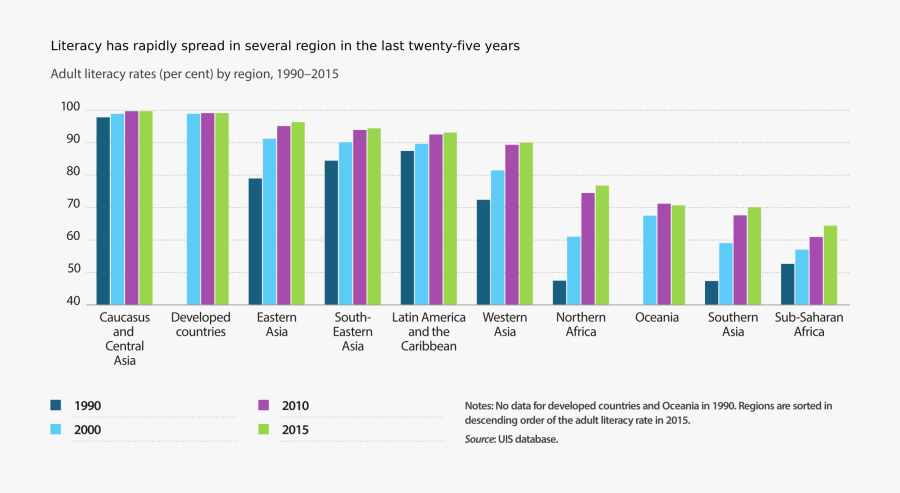
Very Easy Border Designs For School Projects 14, Buy - Literacy Rate In Asia 2017 , Free ...
Food label reading guide | Nutrition Australia Reading food and drink labels can help us make healthy choices. Food and drink labels will include information about the product, where and when it was made and a statement of ingredients, as well as any warnings or allergen statements. Most food or drink packages have a Nutrition Information Panel (NIP) which tells you the quantity of various nutrients a product contains per serve and per 100g or 100 ml.

Talisa Quirk by Megan Cullen for C-Heads - C-Heads Magazine
Food labelling - NSW Food Authority New requirements for labelling the most common allergens in food commenced on 25 February 2021. The changes to the Food Standards Code will help people find allergen information on food labels more quickly and easily, so they can make informed and safe food choices. For more information see Changes to allergen labelling .

Reading food labels - Growing Good Habits How to read food labels - Health Direct Understanding food labels (interactive diagram) - Food Standards Australia New Zealand Growing good habits has been developed by Children's Health Queensland in collaboration with the Queensland Child and Youth Clinical Network , The University of Queensland and Queensland University of Technology .
Post a Comment for "43 reading food labels australia"